Revolutionizing Industrial Automation
Imagine a factory floor where robotic arms effortlessly navigate around obstacles, ensuring safety and efficiency. With an estimated 70% of all workplace accidents occurring due to machinery, the need for advanced automation has never been clearer. Enter the flexible robot arm, a game changer in collision detection technology. This innovation not only enhances productivity but also reduces the risk of accidents significantly.
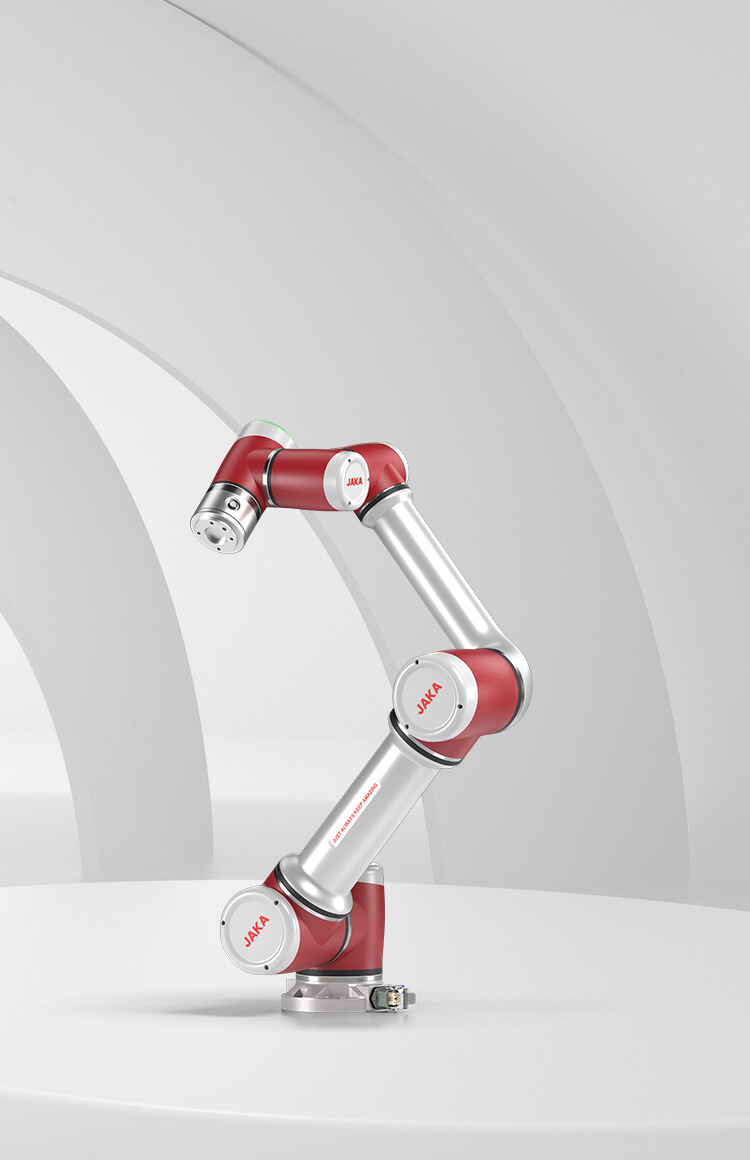
Understanding Collision Detection Robots
A collision detection robot works by sensing its surroundings, preventing accidental impacts with humans or objects. This is crucial in environments where traditional static robots might falter. I have seen firsthand how flexible robot arms can follow complex paths, adapting in real-time to unexpected changes in their environment. Through sensor integration and machine learning, these robots continuously improve their performance, making them indispensable in industries like manufacturing and logistics.
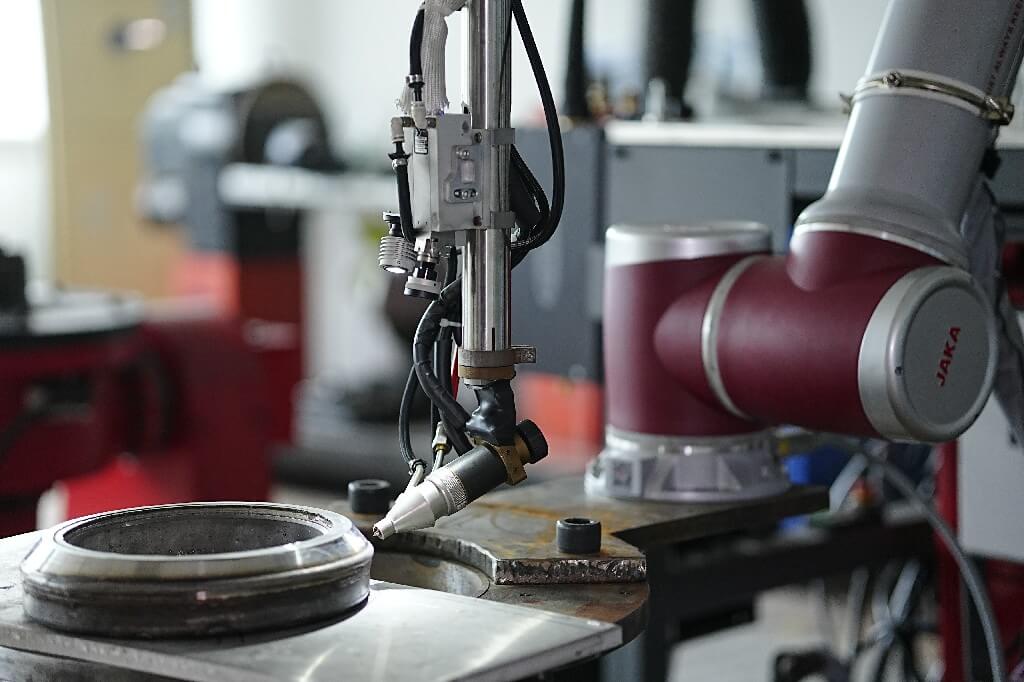
Why Do We Need Precision?
The pursuit of precision in robotics goes beyond mere convenience—it’s about elevating safety standards. In a scenario where a line worker accidentally steps into a robot’s path, traditional robots might cause harm, but a collision detection robot has the capacity to halt operations, protecting human lives. This technology can also lead to smarter agility in undertakings, leading to increased overall throughput.
The Future of Flexible Robot Arms
As we shift towards more advanced automation, the capabilities of collision detection robots continue to expand. I envision a future where these flexible arms will learn from every interaction. For instance, consider a robot arm programmed to handle delicate materials; it will refine its actions based on feedback, minimizing potential damage. This adaptability will not just optimize processes; it will fundamentally change how we approach tasks in various sectors. The excitement around this technology is palpable, much like the thrill of watching a chess master execute a brilliant strategy.
Preparing for Tomorrow
Looking forward, several key innovations should be on our radar. The integration of AI with flexible robot arms promises not only greater precision but also a deeply connected operational framework. Think about it: what if every robot could communicate not just with its operators but also with each other? This collaborative intelligence could redefine operational efficiencies, reducing downtime and optimizing workflows. As I reflect on previous advancements in automation, I can’t help but feel optimistic about what lies ahead.
Key Takeaways and Next Steps
In wrapping up, the blend of flexible robot arms with advanced collision detection techniques is a path to safer and more efficient workplaces. As industries adopt these technologies, it’s crucial to evaluate solutions based on customization capabilities, real-time learning, and durability of components. I firmly believe that companies like JAKA, which prioritize innovation in robotics, will lead the charge into this new era. To stay competitive, focus on specific evaluation metrics such as system responsiveness, ease of integration, and adaptability to various tasks.